Research
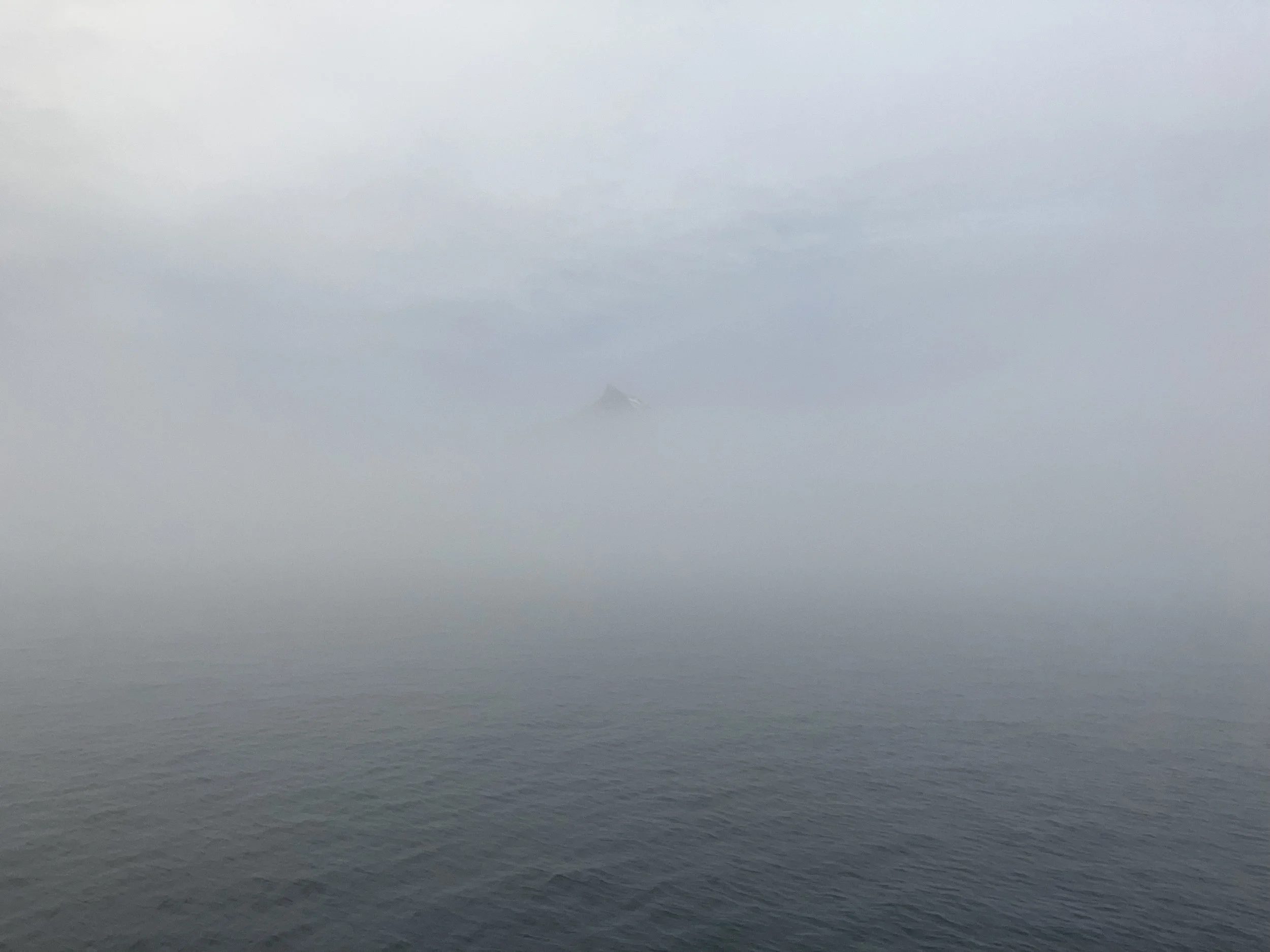
My research explores how elements move through the environment and how their chemical transformations influence their persistence, transport, and biological availability.
I combine field observations with controlled experiments, trace-element and isotope measurements, and quantitative approaches to investigate these processes across environmental systems. Much of my current work focuses on mercury and other trace elements in the ocean, while my broader interests span environmental chemistry and biogeochemical cycling across aquatic and terrestrial environments.
Tools & approaches
I combine observations from natural systems with controlled experiments and isotope-based approaches to identify the processes underlying biogeochemical patterns.
Field observations
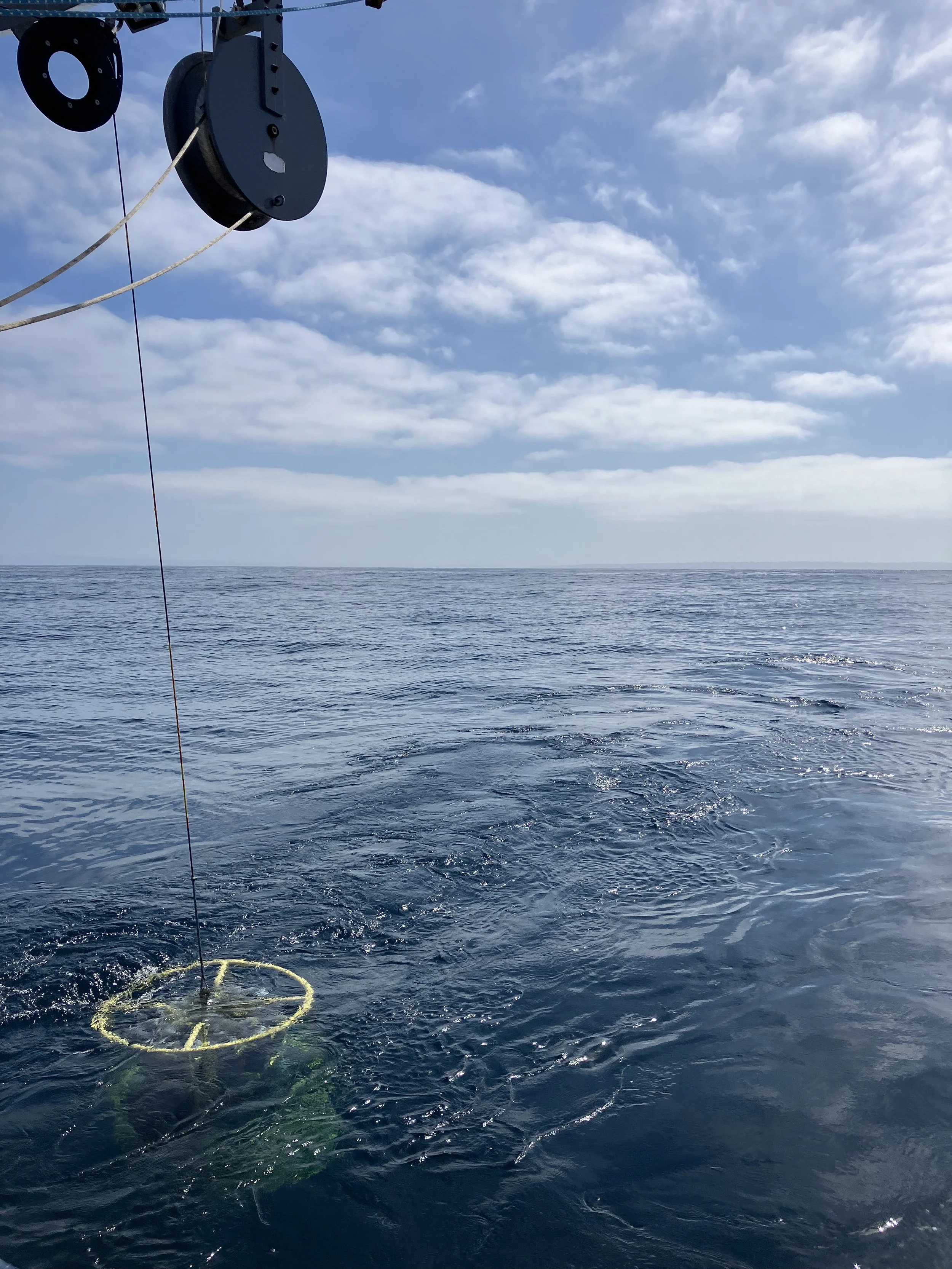
Field measurements provide the environmental context for much of my research. I use concentration, speciation, and hydrographic data to examine how elemental distributions vary across environmental gradients and to identify patterns that can be tested experimentally.
Isotope & trace-element analysis
My analytical work includes mercury speciation and concentration measurements, multielement analysis by triple-quadrupole ICP-MS (ICP-QQQ-MS), and stable-isotope measurements by multicollector ICP-MS (MC-ICP-MS). I am particularly interested in developing and adapting analytical methods to answer biogeochemical questions that cannot be addressed with conventional measurements alone.
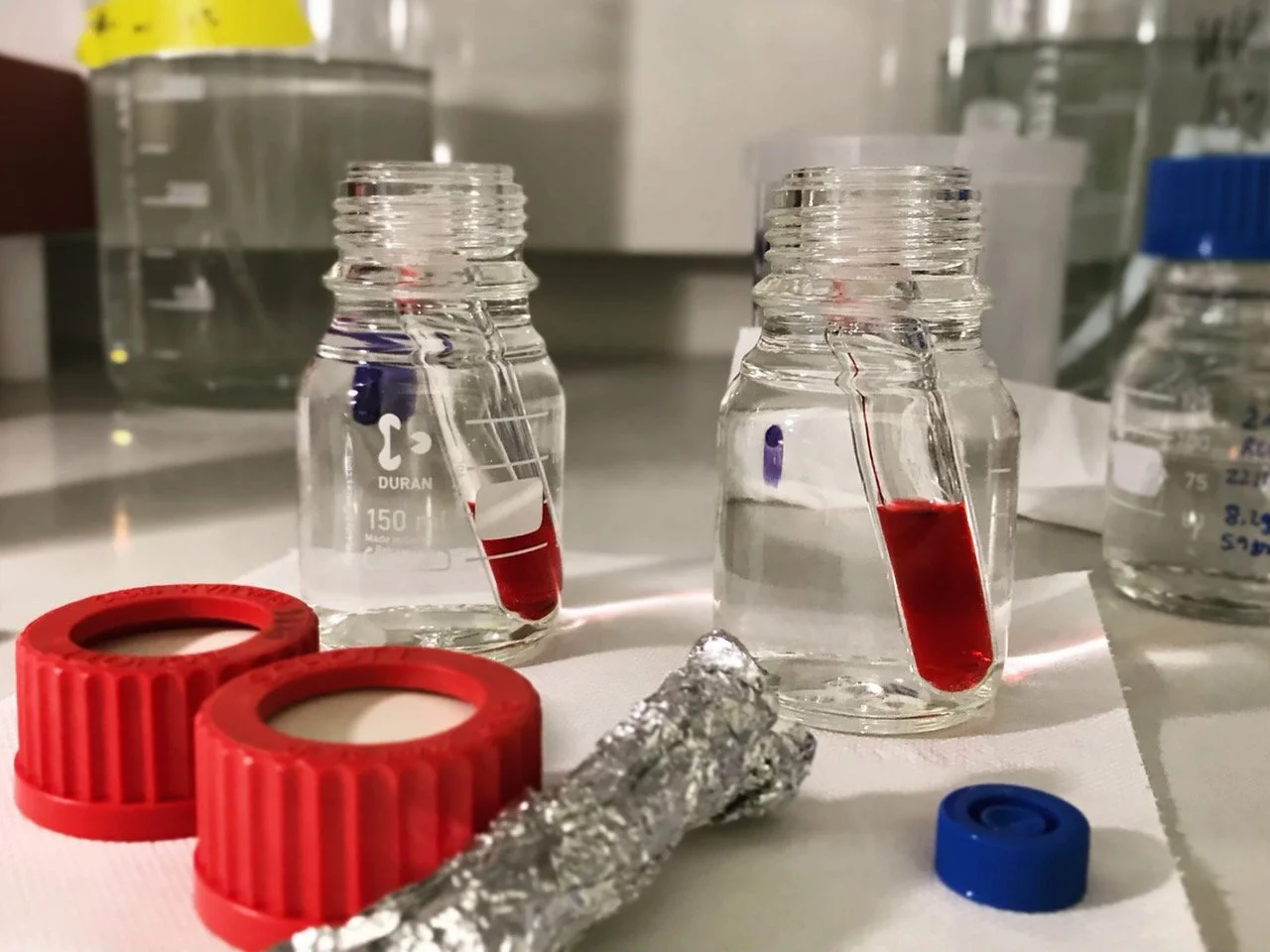
Experiments & isotope tracers
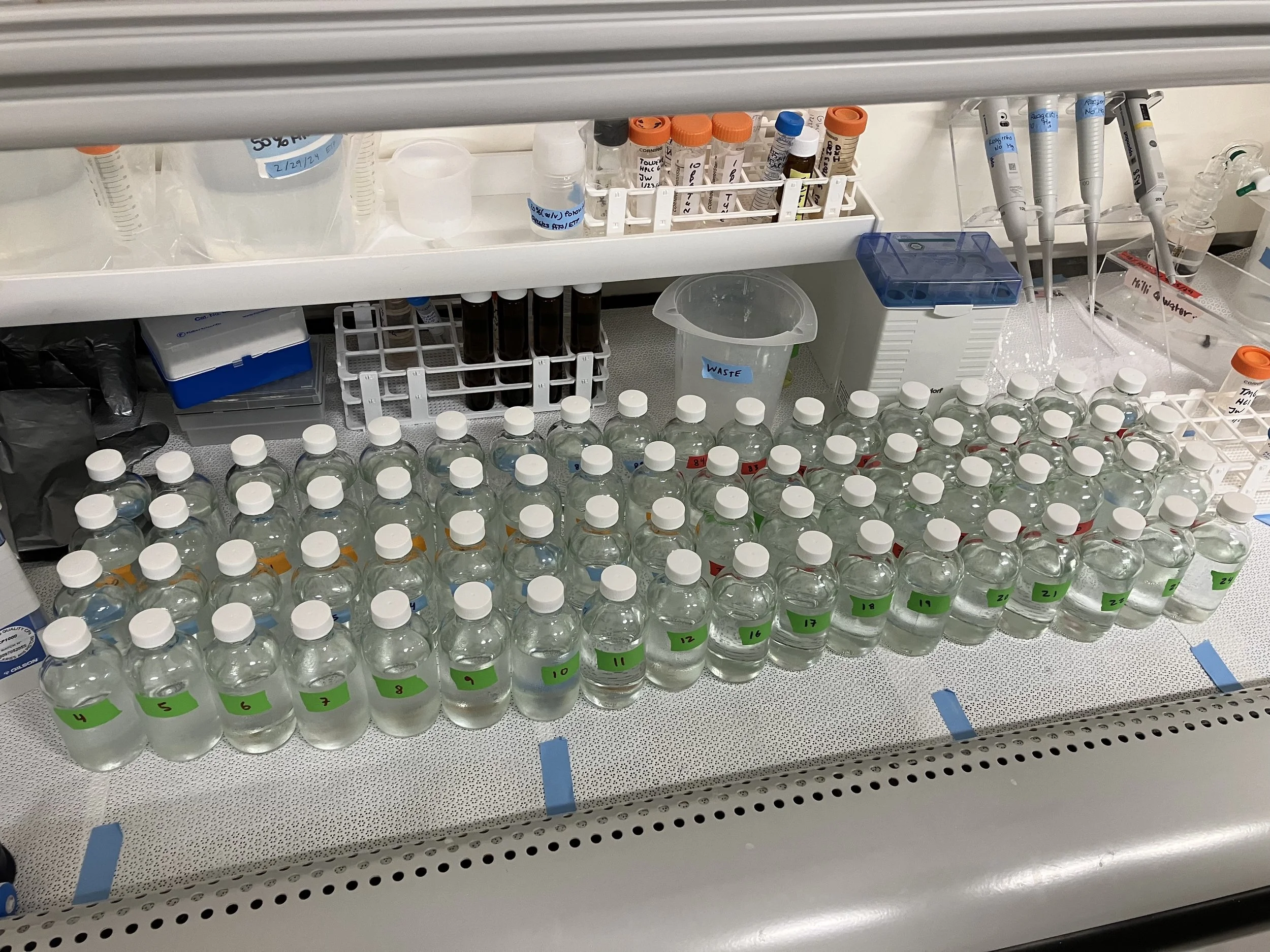
I use controlled incubations and enriched stable-isotope tracers to quantify transformations that are difficult to resolve from environmental concentrations alone. Isotope-based experiments allow me to distinguish reaction pathways, measure transformation rates, and follow individual chemical species through complex environmental matrices.
Quantitative analysis
I use statistical and process-based models to connect observations and experiments, test mechanistic explanations, and examine how processes measured on experimental timescales influence elemental distributions at environmental scales.